
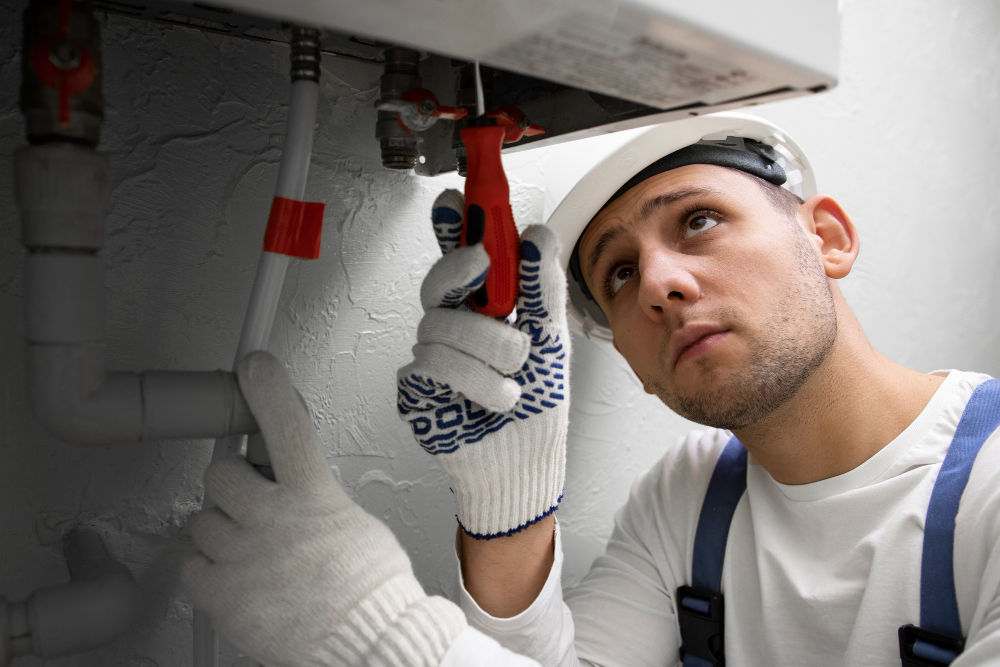
When the temperature drops, the last thing you want is a furnace that suddenly stops working. While it’s always a good idea to call your HVAC technician if something seems seriously wrong, there are a few simple things you can check yourself first. These quick steps can often save you time, money, and a chilly night under extra blankets.
- Check Your Thermostat Settings
It might seem too simple—but it’s one of the most common issues.
Make sure your thermostat is set to HEAT.
Confirm the temperature is set higher than the current room temperature.
If it’s battery-powered, try replacing the batteries.
Sometimes a dead thermostat equals a “dead” furnace.
- Ensure the Furnace Power Switch Is On
Your furnace has a power switch that looks a lot like a regular light switch.
Make sure it hasn’t been accidentally flipped OFF.
Also check the breaker panel to ensure the furnace breaker hasn’t tripped.
If it has, reset it once—but if it trips again, stop there and call a technician.
- Inspect Your Air Filter
A dirty filter can choke airflow and cause the system to shut down for safety.
Pull out your filter and check if it’s clogged with dust or debris.
If it looks dark, dusty, or sagging—replace it.
Ideally, filters should be changed every 1–3 months, depending on your home.
- Check That Your Furnace Door Is Secure
Many furnaces have a safety switch that prevents operation if the panel door is loose or not fully closed.
After checking your filter—or anytime someone has been near the furnace—make sure the door is tightly latched.
- Make Sure the Vents and Registers Are Open
Blocked or closed vents can cause poor airflow or overheating, which may shut your furnace off.
Walk through your home and ensure all supply and return vents are open and not blocked by furniture, rugs, or boxes.
- Look at the Furnace Error Light (if you have one)
Most modern furnaces have a small LED light that flashes a code when something is wrong.
If you see a blinking light, check the sticker on the furnace panel—many units show what the flash pattern means.
This can help you understand whether it’s a simple issue or something that needs a technician.
- Check the Exhaust Pipe Outside
High-efficiency furnaces have PVC exhaust pipes that run outside.
Make sure these pipes aren’t blocked by snow, ice, or debris.
A blocked pipe can prevent the furnace from running to protect the system.
- Verify Your Gas Supply (for Gas Furnaces)
If nothing else seems wrong:
Make sure the gas valve is open.
Check whether other gas appliances (like a stove) are working.
If you ever smell gas, leave immediately and call emergency services.
When to Call Your HVAC Technician
If you’ve checked the basics and your furnace still isn’t running—or something seems unsafe—it’s time to call in a professional. Issues like faulty flame sensors, pressure switches, blower motors, cracked heat exchangers, or control boards should always be handled by a licensed technician.
Winter breakdowns are stressful, but a few quick checks can get your heat back on sooner—or help your technician diagnose the problem faster.